The Role of Mangrove Seed Dispersal in Coastal Forest Regeneration
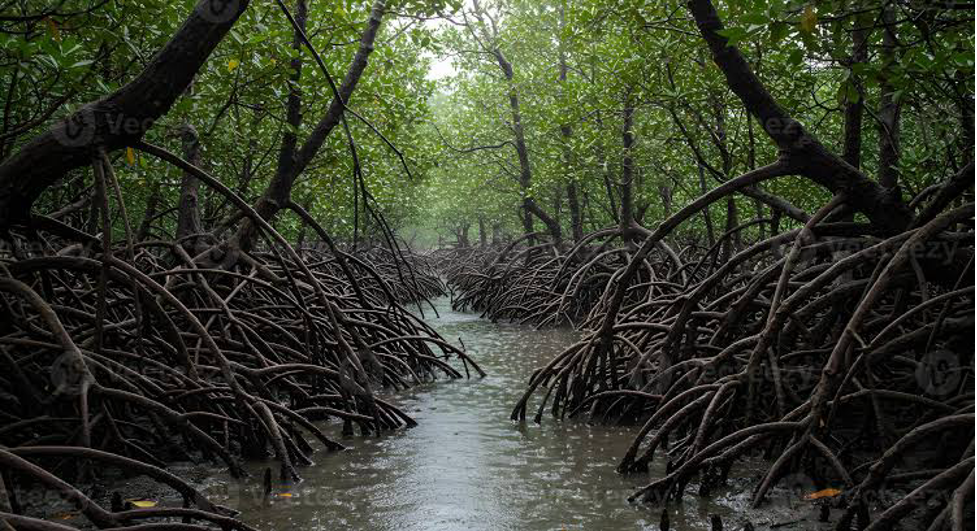
Indonesia mangrove root system (Photo Credit : Vecteezy)
Introduction: The Living Shield of Indonesia's Coasts
Imagine a forest that lives right where the land meets the sea, standing knee-deep in salty mud and ocean waves. These are mangrove forests.
Indonesia is home to the largest mangrove area in the entire world—covering over 3.3 million hectares across major islands like Sumatra, Java, Kalimantan, Sulawesi, and Papua. They act like natural giant seawalls, protecting our villages from storm surges, stopping coastal erosion, trapping carbon, and serving as a safe nursery for the fish, crabs, and shrimp that coastal communities rely on for food and income.
However, millions of hectares of Indonesian mangroves have been cut down over the years—mostly to build shrimp ponds (tambak), roads, and coastal towns. To bring these vital forests back to life, nature has a clever built-in superpower: seed dispersal. Understanding how mangrove seeds travel by water and plant themselves is the secret to bringing back degraded coastlines across Indonesia.
The Incredible Floating Seeds: What Makes Mangrove Seeds Special?
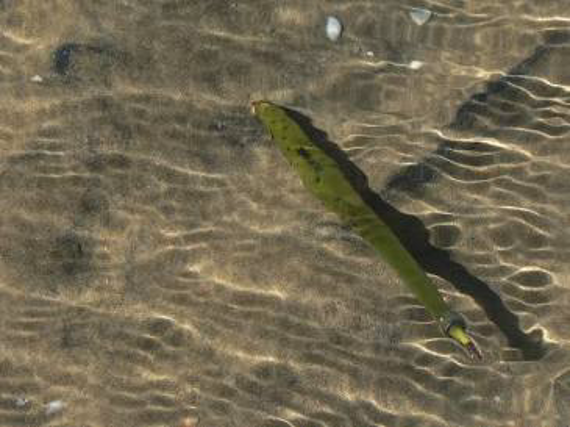
Floating mangrove propagule (Photo Credit : eAtlas)
Unlike regular land plants (like mango or chili trees) that drop dry seeds into the dirt, many mangrove trees do something extraordinary: their seeds sprout while still attached to the parent tree!
- The "Living Seedling" (Propagule): Instead of a tiny dry seed, the tree grows a long, green, pencil-shaped seedling called a propagule (especially common in the Rhizophora or Bakau family).
- Ready to Survive: Because it has already started growing while attached to the parent tree, the propagule is packed with food reserves and energy.
- Saltwater Resistant: It can float around in salty ocean water for weeks or even months without dying or rotting.
How Ocean Waves and Tides Move Mangrove Seeds
How do these floating seedlings travel from one place to another? They rely on nature's "marine highway."
- Daily Tides: Every day, as the sea tide goes in and out across Indonesian estuaries and river deltas (like the Mahakam Delta in Kalimantan or the Musi River in Sumatra), the water lifts fallen propagules and carries them away from the shadow of their parent trees. When the tide goes down, it leaves them on open mudflats.
- Regional Ocean Currents: Indonesia is an archipelago surrounded by powerful marine currents. When propagules float out into coastal waters, ocean currents can carry them tens or even hundreds of kilometers—moving seeds between neighboring islands like Java, Sulawesi, and the Maluku islands. This creates healthy, genetically connected mangrove forests across distant regions.
- Monsoon Winds: Seasonal monsoon winds in Indonesia blow strong waves in different directions throughout the year, helping push floating seeds into shallow bays and river mouths where they can settle.
The 4 Steps: From Floating Seed to Full-Grown Tree
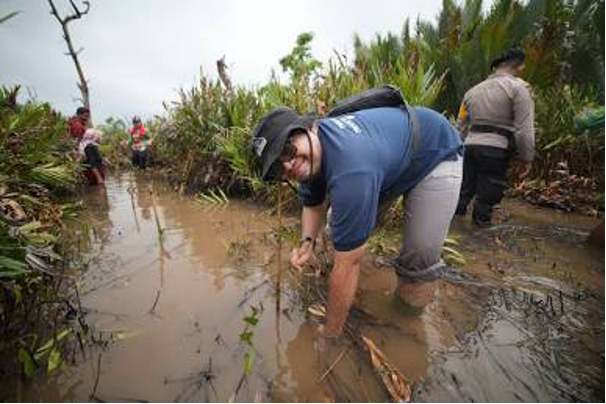
Planting and monitoring seeding establishment (Photo Credit : Planet Indonesia)
For a mangrove seed to turn into a new forest, it goes through four simple steps:
- Dropping: The heavy, pencil-like seedling falls off the tree during high tide or strong wind.
- Floating: It floats horizontally on top of the water, riding the ocean waves.
- Flipping: As it absorbs water over time, its bottom becomes heavier. It flips to float vertically—standing straight up in the water like a fishing bobber!
- Anchoring: As the tide drops, the heavy bottom touches the mud. Roots quickly shoot out within hours to lock the seedling tightly into the sediment before the next wave can wash it away.
Why Is Seed Dispersal So Important for Forest Regeneration?
- Nature Automatically Arranges the Forest: Different types of mangroves have different seeds. Heavier Bakau(Rhizophora) seeds tend to sink and root closer to the sea where waves are strong. Lighter seeds, like Api-api(Avicennia), float further inland where the water is calm. Hydrochory (water dispersal) naturally places every species where it grows best.
- Natural Healing After Disasters or Logging: When a mangrove area is damaged by a storm or cleared by humans, wild floating seeds from healthy nearby forests drift in with the tide. Pioneer trees like Api-api grow first, stabilizing the soft mud so other tree species can follow.
The Main Problems Facing Seed Dispersal in Indonesia Today
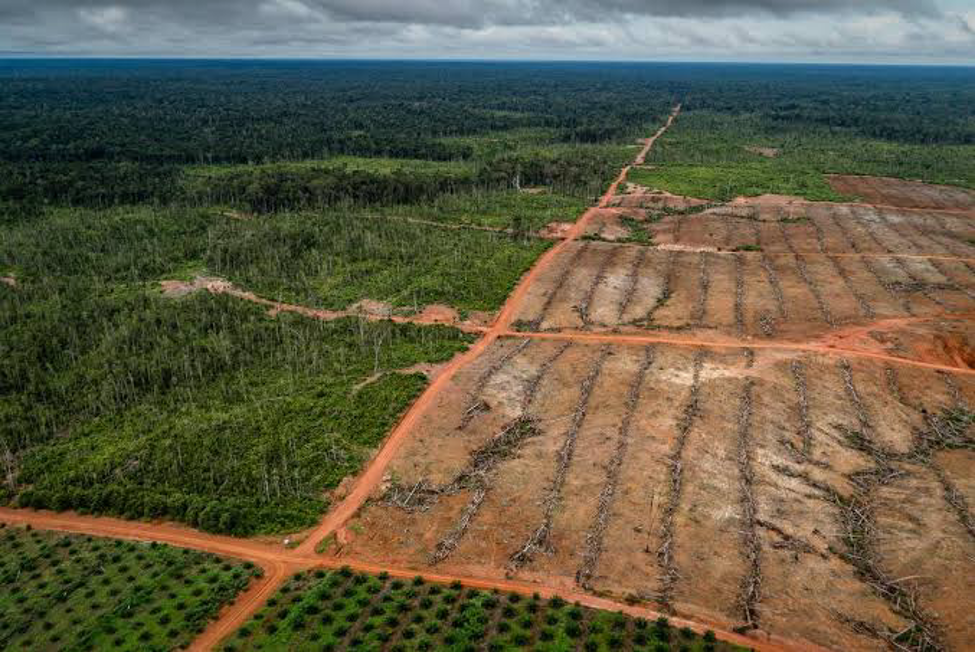
Coastal forest deforestation and land coversion (Photo Credit : Ekuatorial)
Even though mangrove seeds are built for survival, human activity creates major barriers:
- Fish and Shrimp Ponds (Tambak): When coastal areas are turned into shrimp ponds, people build big dirt walls (dikes). These dikes act like physical dams, blocking floating seeds from getting in or out.
- Severe Coastal Erosion: Along the northern coast of Java (Pantura), decades of mangrove clearing have led to huge waves that wash away soft mud. Floating seeds cannot anchor because the waves are too aggressive and knock them down.
- Crab Attacks: Hungry local crabs (Kepiting bakau) often drag fallen seedlings into their underground burrows and eat them before they can take root.
- "Coastal Squeeze": As sea levels rise, mangroves need to move further inland. But with roads, houses, and sea walls built along the shore, drifting seeds have nowhere left to land.
What This Means for Restoring Indonesia's Mangroves
Indonesia has set huge national targets to restore hundreds of thousands of hectares of coastal mangroves. Understanding seed dispersal shows us how to do this correctly:
- Fix the Water Flows, Don't Just Plant Trees: In the past, many restoration projects failed because people simply planted young seedlings in deep ocean water where they quickly died. A smarter approach is Ecological Mangrove Restoration (EMR)—breaking old tambak dikes to let the natural tide flow back in. Once the water flows freely, nature will bring in thousands of free, healthy floating seeds on its own!
- Protect "Mother Trees": We must protect mature, healthy mangrove forests because they are the "seed factories" that supply floating seeds to surrounding degraded areas.
- Assist Nature Where Needed: In places where sea walls or massive erosion block natural seed movement, communities can step in by hand-planting local seedlings to jumpstart recovery.
Conclusion
Mangrove seed dispersal is one of nature’s most effective survival strategies. By using ocean tides, monsoons, and floating seedlings, mangrove trees naturally regenerate, adapt to changes, and keep our coastlines strong. By respecting these natural water pathways and breaking down physical barriers like abandoned pond dikes, Indonesia can successfully restore its precious coastal forests for generations to come.