The Economic Gap Between Tourist Beaches and Traditional Fishing Communities
The Economic Gap Between Tourist Beaches and Traditional Fishing Communities
Across Indonesia’s vast archipelago of more than 17,000 islands, it is not unusual to find two very different economies sharing the same coastline. On one side of a cove, luxury resorts, infinity pools, and surf cafés attract tourists and generate substantial economic activity. Just a few hundred meters away, traditional fishing communities continue to depend on small-scale fisheries and other modest coastal livelihoods.
This sharp spatial proximity highlights a growing socio-economic divide across Indonesian coastal regions.
Capital Accumulation vs Subsistence Living
The economic disparity stems largely from capital investment and ownership structures:
- Tourist Enclaves: Highly capitalized developments—often funded by international investors, major national conglomerates, or urban elites—extract premium value from the natural landscape. High-end resorts, beach clubs, and water-sport hubs generate substantial daily revenue per visitor.
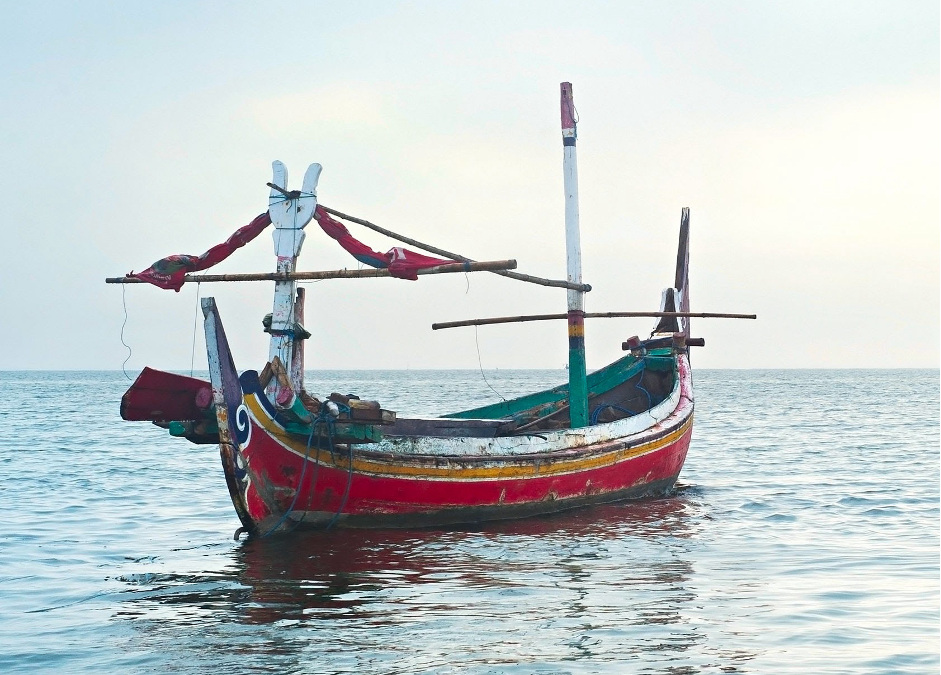
- Traditional Fishing Communities: Local fishermen rely primarily on artisanal, small-scale operations (“nelayan tradisional”). Working with traditional wooden boats (“perahu kayu”) and basic net gear, their daily yields depend heavily on weather patterns, seasonal shifts, and volatile seafood market prices set by local middlemen (“tengkulak”).
While tourism capitalizes on the aesthetic value of the ocean, artisanal fishing bears the full brunt of environmental unpredictability and fuel cost fluctuations (“BBM”).
Resource Allocation and Infrastructural Neglect
Infrastructure development along Indonesian coastlines often prioritizes tourist hotspots while adjacent settlements receive minimal public investment.
- Utilities & Clean Water Access: Tourist beach zones feature private desalination facilities, continuous power grids, and reliable fresh water systems. Neighboring fishing villages frequently cope with limited clean water access and unstable electrical supply.
- Sanitation & Marine Environment: Commercial resorts fund dedicated beach-cleaning crews and aesthetic landscaping to maintain picture-perfect shores. Traditional fishing quarters often lack municipal waste collection, leading to accumulated marine plastic and poor drainage.
- Land Tenure & Security: Tourism developers secure prime titled land with paved access roads and private perimeters. Traditional fishing families often lack formal land certificates, leaving them vulnerable to displacement and restricted access to historic boat launch sites.
Real-World Case Studies in Indonesia
This economic dualism manifests clearly across several key coastal regions:
- Bali: Canggu & Uluwatu vs Kedonganan & Jimbaran
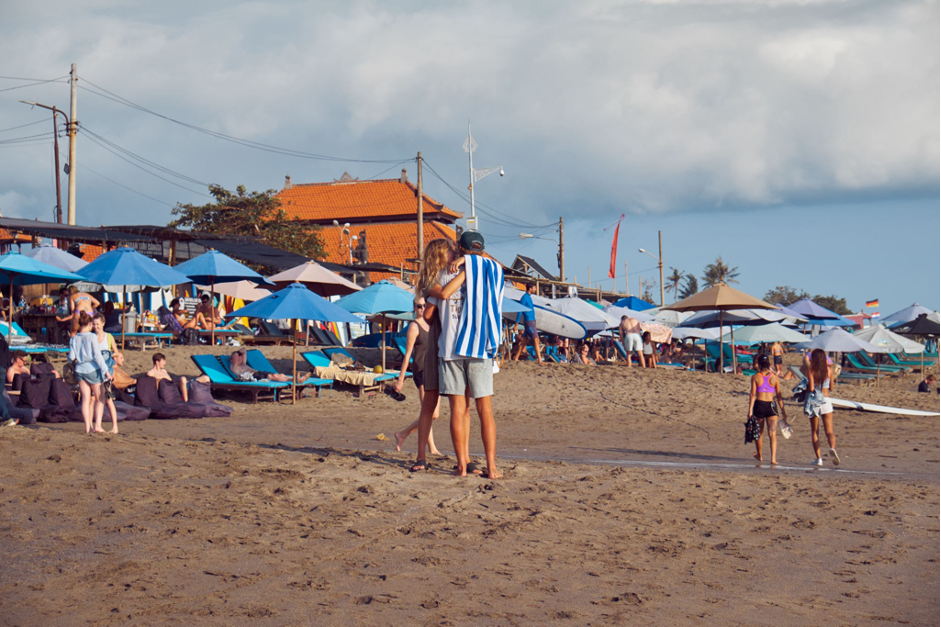
Commercial tourist beachfront at Batu Bolong Beach, Canggu (Photo Credit : badahos/Getty Images)
While international tourism drives real estate prices and commercial revenues skyward in locations like Canggu and Uluwatu, traditional fishing communities in neighboring areas face rising living costs without a proportional increase in fishing income. Fishermen in Kedonganan often work directly beside luxury beachfront dining setups, yet their household income remains tied strictly to daily catches.
- West Java: Pangandaran & Pelabuhan Ratu

Traditional shore net fishing at Bulaksetra Beach, Pangandaran (Photo Credit : myPangandaran)
In Pangandaran, major commercial beach corridors undergo continuous urban upgrades to attract domestic weekenders. In contrast, nearby artisanal fishing villages contend with inadequate cold-storage facilities, forcing local fishermen to sell their perishable catches immediately at depressed prices regardless of market demand.
- East Nusa Tenggara (NTT): Labuan Bajo

Luxury Phinisi charter vessel operating in the waters off Labuan Bajo (Photo Credir : Komodo Luxury)
The rapid development of Labuan Bajo into a "Super Priority Tourism Destination" brings luxury hotels and private marina developments directly adjacent to indigenous coastal settlements. While land values near the harbor have surged, local fishing families face restricted coastal access and heightened pressure on traditional marine territories.
Paths Toward Economic Integration
Closing the wealth gap between coastal tourism and traditional fishing requires structural policy shifts that integrate local populations into the broader marine economy:
- Community-Based Eco-Tourism (CBET): Programs enabling fishermen to diversify their income through guided boat tours, sustainable angling, or marine conservation efforts without abandoning their primary livelihood.
- Cold-Chain & Value-Add Infrastructure: Government investment in shared cold-storage hubs and processing facilities allowing fishing cooperatives (“koperasi nelayan”) to process and store seafood, capturing higher profit margins directly from local resort buyers.
- Protected Coastal Commons: Strict spatial zoning under Regional Spatial Plans (“RTRW”) to guarantee fishing communities legal land tenure, boat anchoring rights, and unhindered access to the sea.
Bridging this gap ensures that coastal tourism development yields shared prosperity for the indigenous communities who have navigated Indonesia's waters for generations.