Tangled Tides: How Plastic Waste Smothers Mangroves, Coral Reefs, and Marine Life
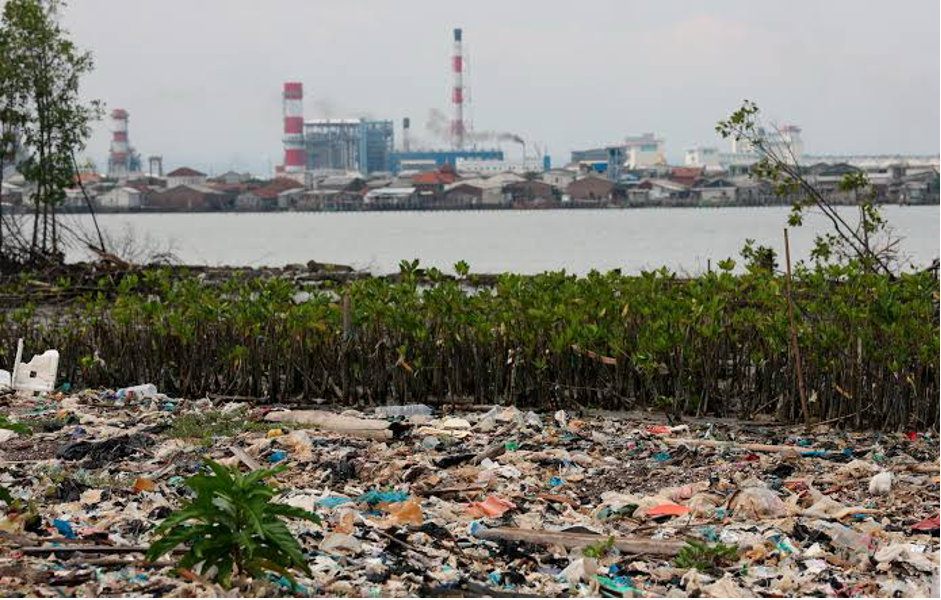
Plastic pollution surrounding mangrove saplings (Photo Credit : Kompas.id)
Indonesia is home to the world’s largest mangrove forests, stretching across thousands of miles of coastlines, river mouths, estuaries, and islands. These dense coastal forests are among the planet's most vital ecosystems. They shield vulnerable shorelines from storm surges, prevent coastal erosion, absorb massive quantities of carbon, and serve as irreplaceable nursery grounds for thousands of marine species.
However, Indonesia’s mangroves face an escalating ecological crisis: plastic pollution. Millions of tons of waste discarded in cities, towns, and agricultural inland areas make their way into rivers and drainage networks. Carried downstream by rainfall and river currents, this trash does not simply float away into the vast ocean. Instead, a major portion is carried by daily tides straight into mangrove habitats and surrounding coastal waters, triggering a chain reaction of destruction across interconnected marine environments.
How Plastic Waste Smothers Mangrove Forests
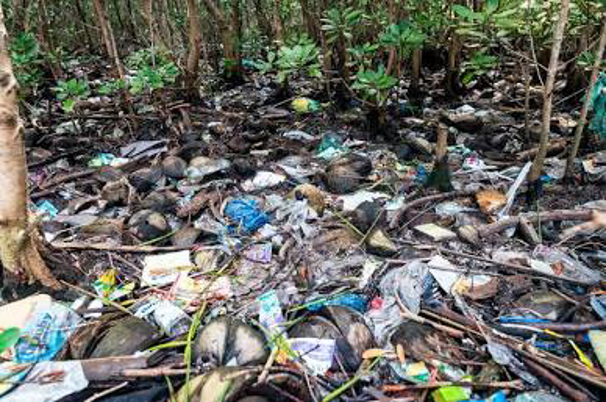
Plastic pollution suffocating mangrove roots (Photo Credit : Team Malizia)
Mangrove ecosystems are naturally engineered to slow down flowing water. Their complex, intertwined aerial roots (pneumatophores), sturdy trunks, and muddy intertidal sediments act as physical filters that trap organic matter and build up shoreline soil. Tragically, these same physical characteristics make mangroves exceptionally effective traps for non-biodegradable plastic trash.
- Massive Root Accumulation: Single-use plastic bags, food packaging, plastic bottles, and discarded synthetic fishing gear drift into mangrove channels during high tide. As the tide recedes, dense networks of prop roots snag this debris. Over time, plastic waste continuously piles up at the base of the trees, forming heavy, persistent mats of trash that smother the forest floor.
- Interference with Root Respiration: Mangrove trees rely on specialized aerial roots to take in oxygen directly from the air and surface water during low tide. When dense layers of plastic wrap around these roots or completely bury the surrounding sediment, oxygen exchange is severed. The roots are essentially asphyxiated in anaerobic mud.
- Sapling Damage and Mangrove Die-Offs: Heavy plastic debris physically crushes fragile young mangrove saplings, preventing natural forest regeneration. Thick piles of surface plastic also block vital sunlight from reaching seedlings and lower vegetation. Prolonged smothering leads to reduced growth, widespread physiological stress, and eventual die-offs of mature mangrove stands.
Collateral Damage: Escalating Threats to Coral Reefs
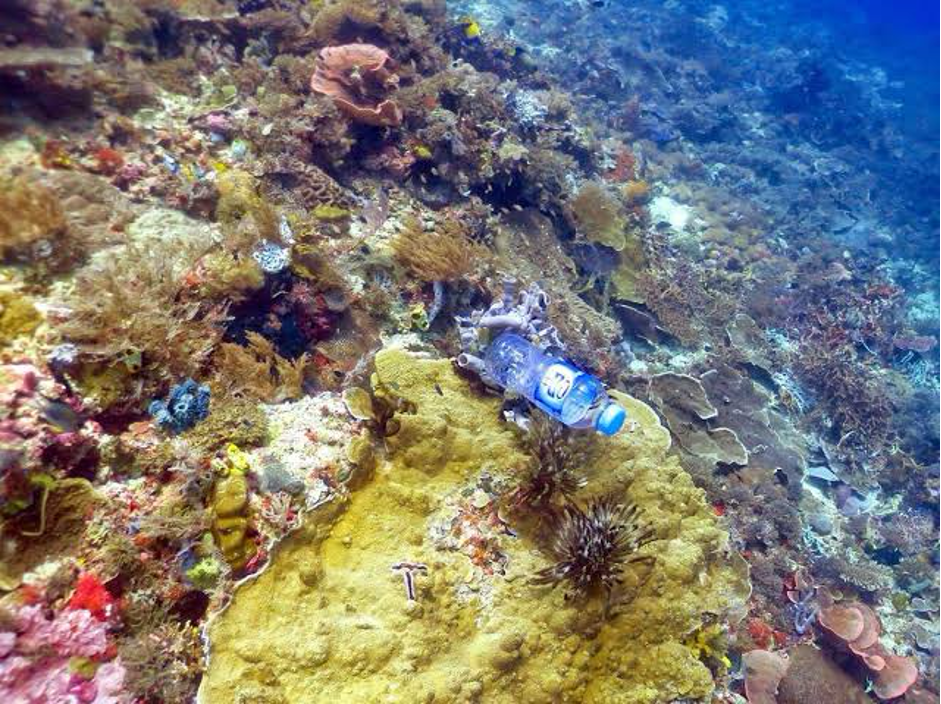
Plastic bottle discarded on a coral reef (Photo Credit : The Independent)
While mangrove forests capture a significant volume of coastal debris, vast quantities of plastic still escape into the open ocean, where they drift toward fragile coral reef ecosystems. Coral reefs and mangroves are ecologically linked, with many species moving between both habitats throughout their life cycles. When plastic infiltrates coral reefs, the physical and biological destruction accelerates:
- Physical Structure Fracture: Heavy plastic items, lost fishing nets, and durable ropes become entangled in complex coral branches. Strong wave action drags this trapped debris across the reef, breaking delicate hard corals that took decades to grow.
- Light Blockage and Bleaching Stress: Large sheets of plastic can settle directly over living coral colonies. By blocking sunlight, plastic prevents the symbiotic algae (zooxanthellae) inside the corals from performing photosynthesis. This starves the corals, inducing severe stress, bleaching, and tissue mortality.
- Disease Vector Transmission: Plastic debris acts as a vector for pathogens in the marine environment. When plastic scrapes against coral tissue, it creates open wounds while simultaneously trapping harmful bacteria against the coral surface. Studies show that corals in contact with plastic face a dramatically higher risk of contracting devastating diseases, such as white syndrome and black band disease.
Severe Impacts on Ocean Fauna: Sea Turtles and Fish
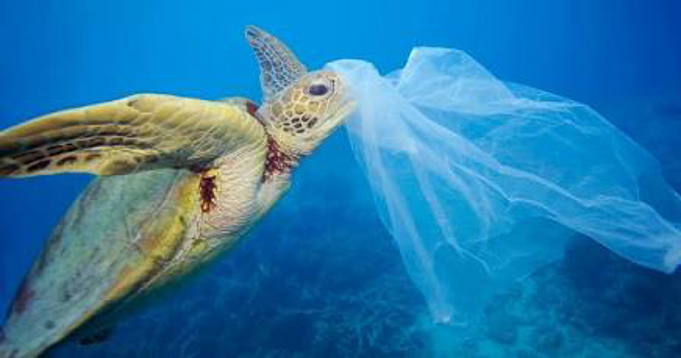
Sea turtle mistaking floating plastic for food (Photo Credit : WWF)
The impacts of plastic pollution extend far beyond habitat destruction, directly threatening marine animals through ingestion, toxic exposure, and entanglement.
- Sea Turtles at High Risk: Sea turtles are among the most heavily impacted ocean fauna. Species like the Green and Hawksbill turtles frequently mistake floating plastic bags, wrappers, and clear debris for jellyfish—a fundamental component of their diet. Once swallowed, plastic cannot be digested; it causes severe internal blockages, tears intestinal linings, and creates a false sense of fullness that leads to slow starvation. Additionally, abandoned plastic fishing nets ("ghost nets") floating in coastal waters entangle sea turtles, pinning them underwater and causing them to drown.
- Fish, Microplastics, and Chemical Contaminants: As larger plastic waste breaks down under sunlight and wave action, it turns into microplastics—particles smaller than 5 millimeters. These tiny particles settle into mangrove sediments and drift through the water column, where they are consumed by plankton, crustaceans, and small fish. Microplastics act like sponges, absorbing heavy metals and synthetic toxic chemicals from surrounding seawater.
- Bioaccumulation in Marine Food Webs: As smaller fish consume microplastics, toxic chemicals accumulate in their body tissues. Larger predatory fish consume these smaller prey, concentrating toxicity higher up the food web. This process, known as biomagnification, not only threatens commercial fish populations and marine biodiversity but also poses serious health risks to coastal human communities that rely on seafood as a primary protein source.
Moving Beyond Surface Cleanups: Comprehensive Solutions
The natural filtering capacity of mangrove forests has reached its breaking point. While mangroves can temporarily capture plastic and prevent some waste from reaching open waters, they cannot indefinitely absorb endless pollution without dying in the process.
Addressing this multi-ecosystem threat requires strategies that go beyond occasional shoreline cleanups:
- Targeting Pollution at the Source: The most effective way to protect mangroves, coral reefs, and marine fauna is to stop plastic from reaching waterways. This requires establishing robust municipal waste collection, expanding recycling infrastructure, and cutting single-use plastic production in inland urban areas.
- Inland and River Interventions: Installing trash barriers and collection systems at key river mouths prevents inland waste from ever entering estuaries and coastal waters, intercepting debris before it can entangle mangrove roots or drift out to reefs.
- Integrating Waste Management with Reforestation: Restoration initiatives must pair mangrove replanting with strict localized waste management. Planting new saplings in areas inundated with incoming trash often leads to high mortality rates, as young trees are quickly crushed by debris.
- Long-Term Ecosystem Monitoring: Monitoring microplastic levels in coastal sediments and marine species provides vital data on pollution hotspots, helping conservationists and policymakers implement targeted protection measures across connected watersheds.
Protecting Indonesia’s coastal biodiversity demands an integrated approach. Healthy mangroves and vibrant coral reefs should serve as thriving sanctuaries for marine life—not as global storage grounds for land-based plastic waste.