Mangroves at the Urban Edge: How Coastal Forests Survive Next to Expanding Cities in Indonesia
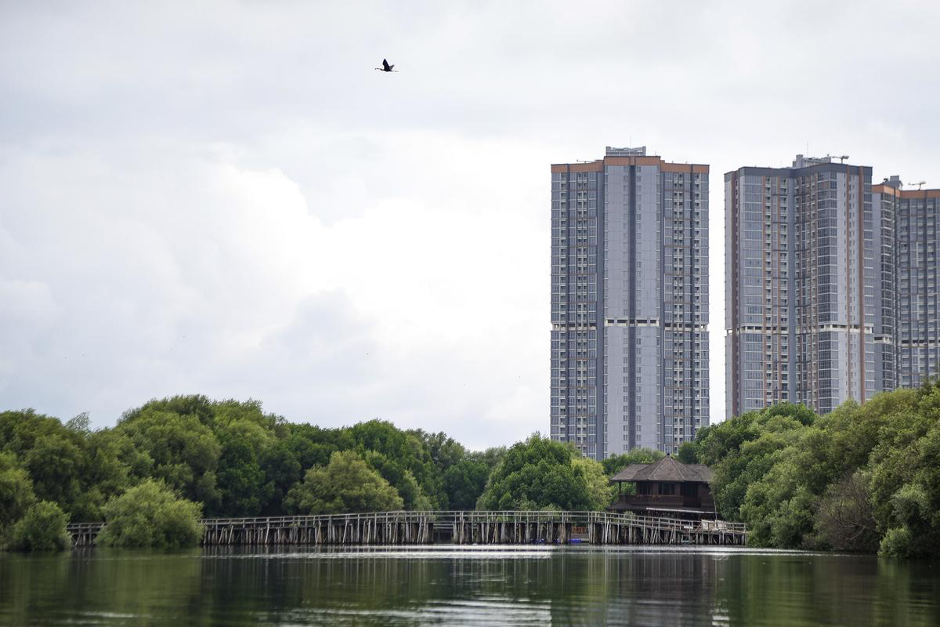
Urban mangrove forests in Jakarta showing how coastal ecosystems coexist with expanding city development (Photo Credit : Adryan Yoga Paramadwya/Kompas)
Indonesia is home to the largest area of mangrove forests in the world, with these unique coastal ecosystems stretching across thousands of kilometers of shoreline. Mangroves protect coastlines from erosion, provide habitat for fish and wildlife, store significant amounts of carbon, and support the livelihoods of millions of people. Yet many of Indonesia’s mangroves now exist at the urban edge—pressed between the sea on one side and rapidly expanding cities on the other.
As coastal cities continue to grow, mangrove forests face increasing pressure from land reclamation, housing developments, industrial estates, ports, roads, and tourism infrastructure. Despite these challenges, many mangrove ecosystems survive thanks not only to their ecological resilience but also to the efforts of local communities who depend on them for their future.
Urban Growth Meets Coastal Ecosystems
Indonesia’s coastal cities have expanded rapidly over the past few decades. Metropolitan areas such as Jakarta, Surabaya, Makassar, and Semarang have seen significant population growth, creating demand for housing, transportation networks, and economic development.
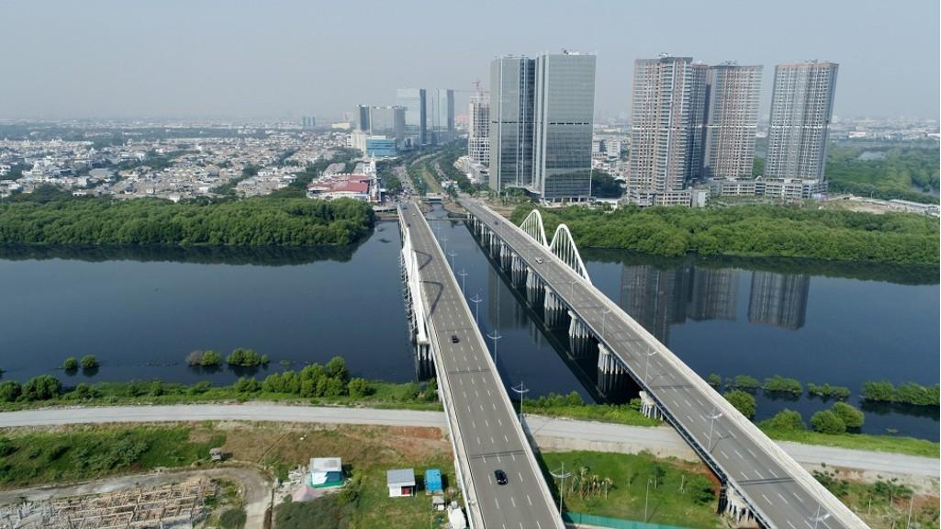
Mangrove and urban development Jakarta (Photo Credit : Deshana/Kumparan)
Unfortunately, mangrove areas are often viewed as unused or low-value land. As a result, many forests have been cleared or fragmented to make room for urban infrastructure. This loss reduces the natural protection that mangroves provide against coastal flooding, storm surges, and shoreline erosion.
The situation creates a paradox. As cities replace mangroves with concrete structures, they become more vulnerable to the very environmental risks that mangroves naturally help mitigate.
The Community Connection
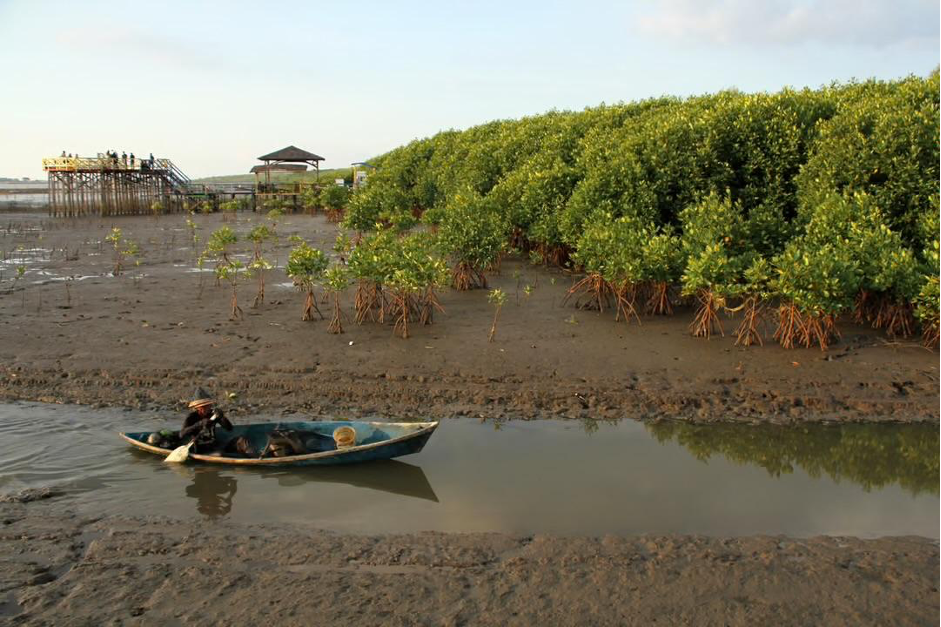
Mangrove forests and local fisheries thrive side by side (Photo Credit : Arnas Padda/ANTARA)
For many coastal communities, mangroves are far more than trees growing in muddy wetlands. They are an essential part of local livelihoods and cultural identity.
Fishermen rely on mangrove ecosystems as nursery grounds for fish, crabs, shrimp, and other marine species. Women often participate in small-scale enterprises producing mangrove-based products such as snacks, syrup, tea, and handicrafts. In some regions, communities have developed ecotourism initiatives that generate income while promoting conservation.
Because local residents directly experience the benefits of healthy mangrove ecosystems, they are often among the strongest advocates for protecting them. Community-based conservation programs across Indonesia demonstrate that local involvement can significantly improve restoration outcomes compared to projects that focus solely on tree planting.
Case Study: Jakarta’s Northern Coast
The northern coastline of Jakarta illustrates the complex relationship between urbanization and mangrove conservation.
Over many years, coastal development, pollution, and land reclamation have reduced mangrove coverage in parts of Jakarta Bay. At the same time, the city faces severe challenges from flooding, land subsidence, and rising sea levels.
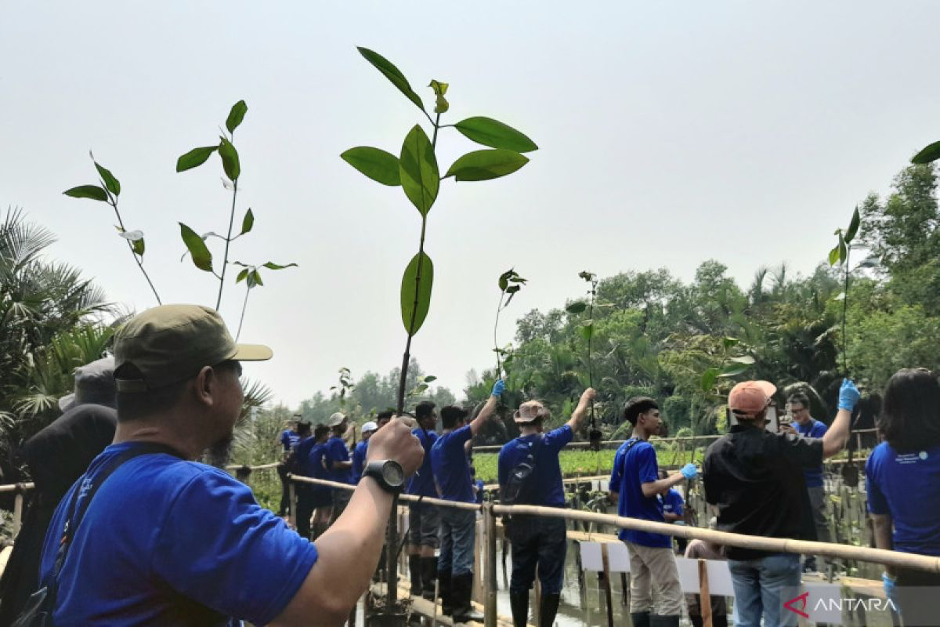
Mangrove replanting at Muara Angke (Photo Credit : Lintang Budiyanti Prameswari/ANTARA)
In response, restoration efforts have been carried out in areas such as the Angke Kapuk mangrove ecosystem. Government agencies, environmental organizations, schools, private companies, and community groups have participated in replanting programs and environmental education campaigns.
While restoration cannot fully replace lost natural forests, these efforts demonstrate growing recognition that mangroves are critical urban infrastructure, providing services that seawalls and drainage systems alone cannot deliver.
Case Study: Semarang and the Threat of Coastal Flooding
Semarang, on the northern coast of Java, provides another important example. The city has experienced recurring tidal flooding, locally known as rob, which has affected homes, roads, and businesses.
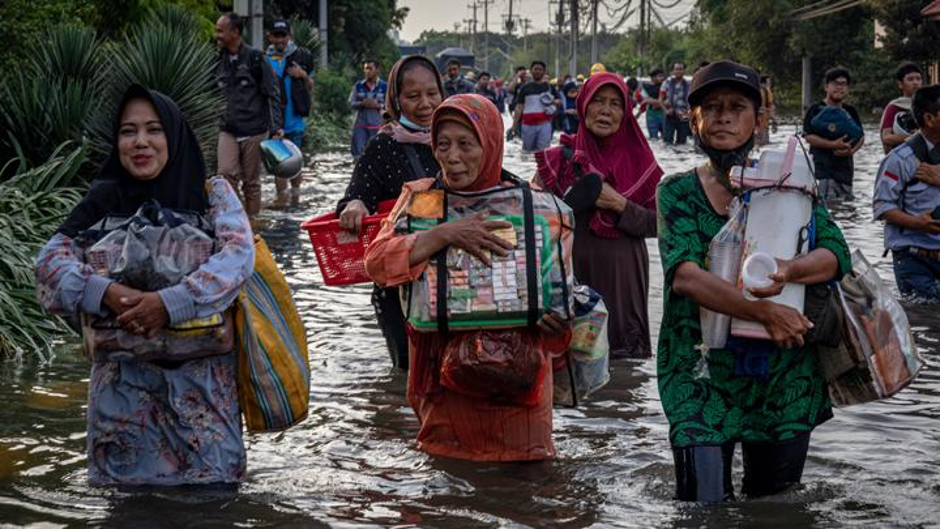
Coastal flooding in Semarang (Photo Credit : Tempo.co)
Many coastal villages around Semarang have suffered from shoreline erosion and land loss. In response, community groups have worked alongside researchers and local authorities to restore mangrove forests. These projects aim to reduce wave energy, trap sediment, and rebuild coastal stability.
In some villages, residents have observed that restored mangrove areas help reduce erosion and create conditions for fisheries to recover. The success of these initiatives highlights how local knowledge and participation can strengthen climate adaptation strategies.
Challenges Facing Urban Mangroves
Despite increasing awareness, urban-edge mangroves continue to face numerous threats:
- Land Conversion
Economic development often prioritizes short-term gains from construction projects over the long-term environmental benefits provided by mangroves.
- Pollution</strong
Urban runoff, plastic waste, and industrial pollution can damage mangrove ecosystems and reduce their ability to support wildlife.
- Fragmentation
Roads, ports, and residential developments can divide mangrove forests into smaller patches, making them less resilient.
- Poor Restoration Practices
Some restoration projects focus on planting large numbers of seedlings without considering local ecological conditions. This can result in low survival rates and limited long-term success.
Community-Based Solutions
Experts increasingly recognize that successful mangrove conservation requires local participation. Communities are often the first to notice environmental changes and can provide valuable knowledge about coastal conditions.
Several approaches have shown promise:
- Community-led mangrove monitoring programs.
- Sustainable fisheries management linked to mangrove protection.
- Mangrove ecotourism initiatives that generate local income.
- Environmental education for young people in coastal villages.
- Partnerships between local communities, universities, government agencies, and private companies.
When residents see tangible economic and environmental benefits, conservation efforts are more likely to continue beyond the duration of a specific project.
Looking Toward the Future
As Indonesia continues to urbanize, the challenge is not choosing between development and conservation but finding ways for both to coexist. Mangroves represent a natural form of infrastructure that supports coastal resilience, biodiversity, and community livelihoods.
The future of urban-edge mangroves will depend on integrated planning that recognizes the value of these ecosystems. Equally important is the role of coastal communities, whose daily lives remain closely connected to the health of the forests around them.
From Jakarta’s restoration projects to Semarang’s community-led adaptation efforts, examples across Indonesia demonstrate that mangroves can survive alongside expanding cities. Their survival, however, requires sustained commitment, thoughtful urban planning, and continued support for the people who have long acted as stewards of the coast.
In a rapidly changing world, protecting mangroves is not only an environmental priority—it is an investment in the resilience and well-being of Indonesia’s coastal communities.