Ecological Memory in Coastal Ecosystems: How Past Disturbances Influence Future Recovery
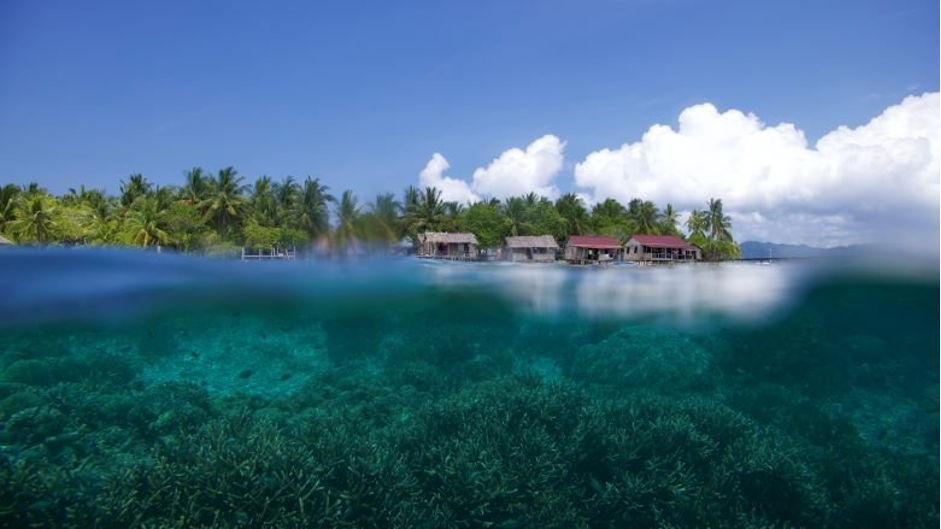
Raja Ampat coastal ecosystem (Photo Credit: Elodie Van Lierde)
Understanding Ecological Memory
Coastal ecosystems are among the most dynamic environments on Earth, constantly shaped by tides, storms, sediment movement, and human activities. While these ecosystems often demonstrate remarkable resilience, their ability to recover after disturbances depends heavily on a concept known as ecological memory.
Ecological memory refers to the biological, physical, and environmental legacies left behind after past events that influence how an ecosystem responds to future disturbances. These “memories” may include surviving vegetation, seed banks buried within sediments, microbial communities, coral larvae, nutrient reserves, or even the physical structure of the landscape itself.
Rather than beginning recovery from scratch, healthy ecosystems rely on these remnants of the past to regenerate more efficiently. Conversely, when ecological memory is weakened or erased, recovery becomes slower, more uncertain, and sometimes impossible without human intervention.
Components of Ecological Memory
Ecological memory consists of several interconnected elements that determine an ecosystem’s resilience.
Biological Legacies
Living organisms that survive disturbances often become the foundation for ecosystem recovery. Examples include:
- Mangrove trees that survive storms and continue producing propagules.
- Seagrass rhizomes remaining beneath sediments after surface damage.
- Coral fragments capable of regenerating into new colonies.
- Microbial communities that restore nutrient cycling.
These biological remnants allow ecosystems to rebuild more rapidly than if they had been destroyed.
Physical and Geomorphological Features
The landscape itself stores ecological memory. Stable shorelines, natural sediment deposits, tidal channels, and reef structures provide habitats that support recolonization.
For example, intact coral reef frameworks continue reducing wave energy even after partial coral mortality, creating suitable conditions for young corals to settle.
Similarly, undisturbed sediment layers often contain dormant seeds or organic matter that support vegetation recovery.
Environmental Conditions
Water quality, salinity, nutrient availability, and hydrological connectivity all contribute to ecological memory.
If these environmental conditions remain relatively stable following a disturbance, recovery tends to occur much faster than in ecosystems experiencing continued pollution or habitat fragmentation.
Disturbances That Shape Coastal Ecological Memory
Not all disturbances affect ecosystems equally. Some strengthen resilience by allowing gradual adaptation, while repeated or severe disturbances may permanently alter ecological memory.
Common coastal disturbances include:
- Tropical storms and cyclones
- Coastal flooding
- Tsunamis
- Coral bleaching events
- Sedimentation
- Oil spills
- Plastic pollution
- Coastal reclamation
- Mangrove clearing
- Overfishing
- Port development
- Climate change and sea-level rise
The frequency, intensity, and duration of these disturbances determine whether ecological memory is preserved or degraded.
Indonesia’s Coastal Ecosystems: A Living Example of Ecological Memory
Indonesia possesses one of the world’s richest coastal environments, with over 17,000 islands and extensive coastlines supporting mangroves, coral reefs, seagrass meadows, estuaries, and tidal wetlands. These ecosystems have evolved under centuries of natural disturbances such as monsoons, volcanic activity, earthquakes, and seasonal flooding.
However, modern human pressures are placing unprecedented strain on their natural resilience.
Mangrove Forests
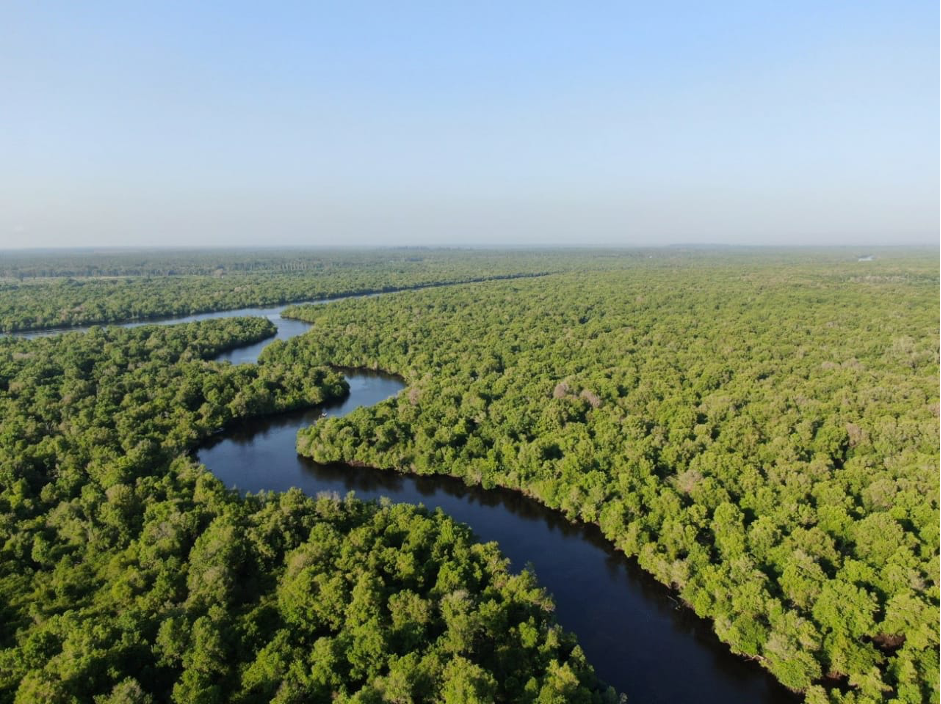
Riau mangrove forest (Photo Credit: YKAN)
Indonesia contains approximately one-fifth of the world’s mangrove forests, making them an essential natural defense against coastal erosion, storm surges, and carbon emissions.
Where mature mangrove stands remain connected and healthy, ecological memory is often strong. Surviving trees continuously produce propagules that naturally recolonize disturbed areas, while complex root systems trap sediments and stabilize shorelines.
In contrast, regions converted into shrimp ponds, industrial estates, or coastal settlements frequently lose this regenerative capacity. Once the natural sediment processes and seed sources disappear, recovery becomes significantly more difficult and often requires active restoration.
Coral Reefs
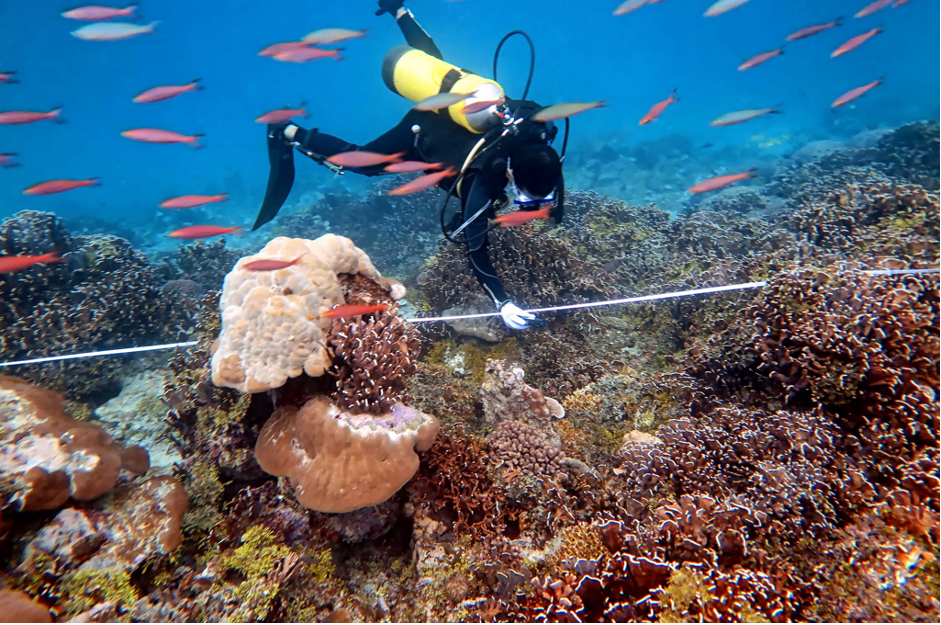
Indonesia healthy coral reef (Photo Credit: LIPI)
Indonesia lies within the Coral Triangle, the global center of marine biodiversity.
Many Indonesian reefs have demonstrated impressive recovery following localized disturbances because nearby healthy reefs provide larvae that recolonize damaged areas.
However, repeated coral bleaching events combined with destructive fishing practices and sediment runoff reduce coral diversity and weaken this ecological memory. As living coral cover declines, algae often dominate reef surfaces, making coral recovery increasingly difficult.
Seagrass Meadows
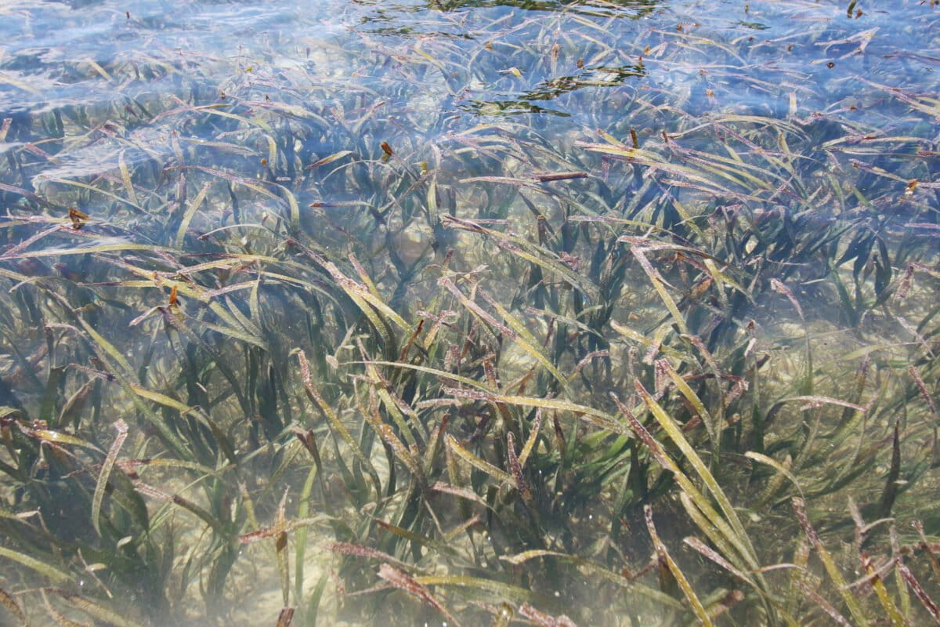
Seagrass meadow in northern Nias Island (Photo Credit: Eko Siswono Toyudho/Konservasi Indonesia)
Indonesia’s seagrass ecosystems serve as nurseries for commercially valuable fish species while supporting endangered marine animals such as dugongs and green turtles.
Healthy seagrass meadows maintain extensive underground rhizome networks that allow rapid regrowth after moderate disturbances.
However, repeated dredging, boat anchoring, coastal reclamation, and declining water quality can fragment these underground networks, reducing their capacity to recover naturally.
When Ecological Memory Becomes Lost
An ecosystem can gradually lose its ecological memory after experiencing repeated or prolonged disturbances.
Several warning signs include:
- Loss of native species
- Declining biodiversity
- Poor natural regeneration
- Increased coastal erosion
- Invasion by opportunistic species
- Reduced fish populations
- Altered sediment dynamics
- Persistent algal blooms
Once these thresholds are crossed, ecosystems may shift into entirely new ecological states that differ significantly from their historical condition.
For example, a coral reef dominated by living corals may transition into an algae-dominated ecosystem, while a mangrove forest may become an unvegetated mudflat if seed sources and hydrological conditions are permanently altered.
Climate Change and the Future of Coastal Resilience
Climate change introduces disturbances that occur more frequently and with greater intensity than many coastal ecosystems have historically experienced.
Sea-level rise, increasing sea surface temperatures, stronger storms, changing rainfall patterns, and ocean acidification place continuous pressure on ecological memory.
In Indonesia, these challenges are particularly significant due to the country’s long coastline and high dependence on coastal resources for fisheries, tourism, transportation, and local livelihoods.
Protecting ecological memory therefore becomes an important climate adaptation strategy. Ecosystems with stronger ecological memory are generally more capable of adapting to changing environmental conditions and recovering after extreme events.
Strengthening Ecological Memory Through Restoration
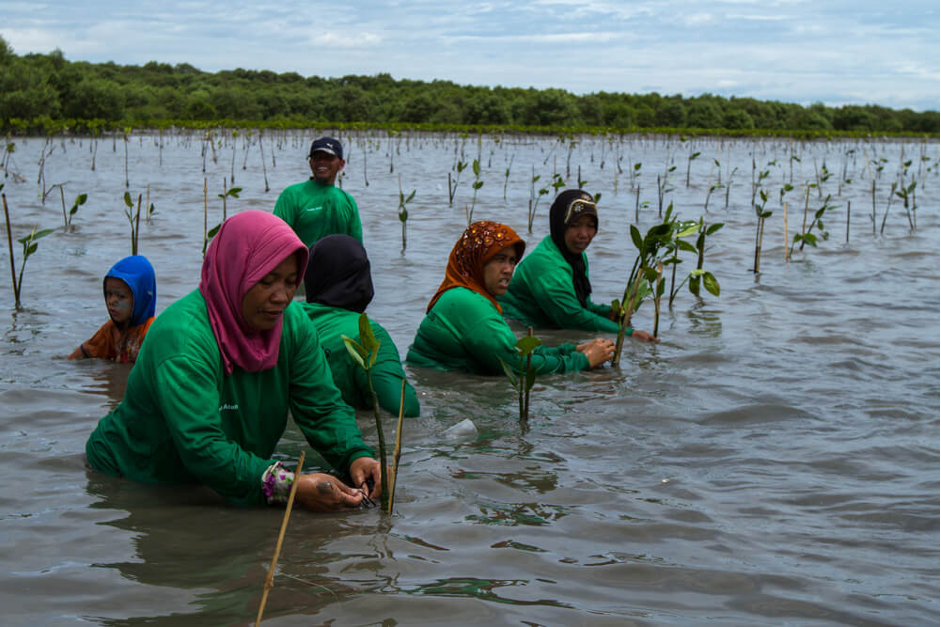
Community-based mangrove restoration (Photo Credit: Livelihoods)
Successful coastal restoration involves more than simply planting vegetation or constructing artificial structures. Restoration efforts should aim to rebuild the natural processes that enable ecosystems to recover independently over time.
Effective approaches include:
- Protecting remaining healthy coastal habitats before degradation occurs.
- Restoring natural tidal flows and hydrological connectivity.
- Conserving biodiversity to maintain ecological functions.
- Reducing pollution and excessive sediment runoff from upstream areas.
- Rehabilitating mangroves using appropriate native species suited to local conditions.
- Establishing marine protected areas to safeguard coral reef recovery.
- Integrating long-term ecological monitoring into coastal management.
- Encouraging community participation in habitat conservation and sustainable resource use.
In Indonesia, combining scientific research with local ecological knowledge from coastal communities can significantly improve restoration outcomes. Many traditional fishing communities have long understood seasonal patterns, habitat dynamics, and species interactions that contribute to ecosystem resilience.
Why Ecological Memory Matters for Sustainable Coastal Management
Ecological memory reminds us that the past continues to shape the future of coastal ecosystems. Every disturbance leaves lasting effects that influence how landscapes recover, adapt, or decline.
For Indonesia, preserving ecological memory is essential not only for biodiversity conservation but also for protecting fisheries, supporting tourism, reducing disaster risks, storing blue carbon, and sustaining the livelihoods of millions of people who depend on healthy coastal environments.
As coastal development accelerates and climate-related pressures intensify, management strategies must move beyond short-term restoration projects toward protecting the natural processes that allow ecosystems to heal themselves. By safeguarding ecological memory today, Indonesia can strengthen the resilience of its coastlines for generations to come.