Why Community Networks Are Critical for Coastal Village Resilience
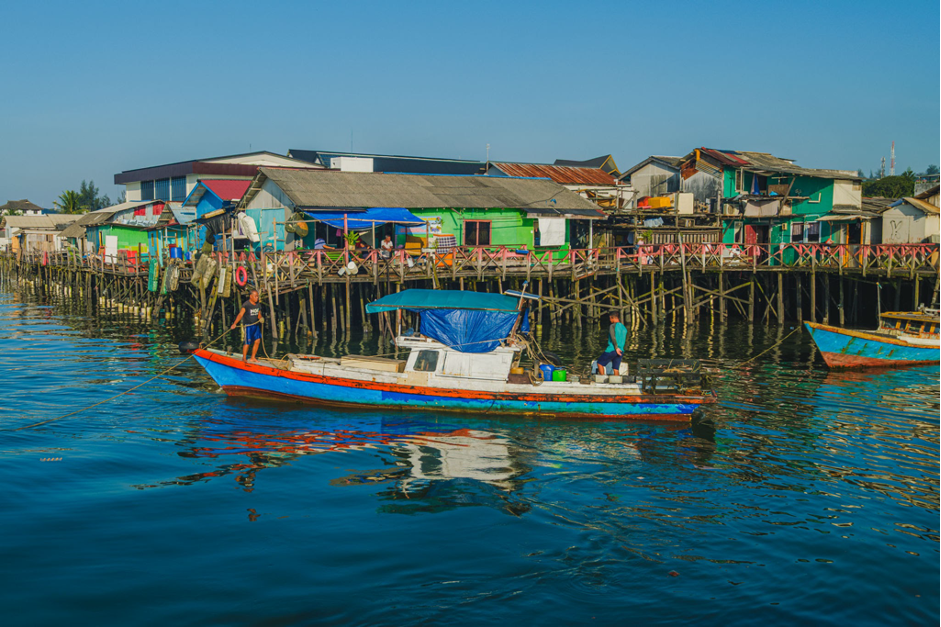
An Indonesian coastal village reliant on traditional fishing networks (Photo Credit: Creativicadesign/Dreamstime)
Across Indonesia’s vast archipelagic expanse spanning more than 17,000 islands and thousands of desa pesisir (coastal villages), the limits of physical infrastructure become evident with every changing tide. From the remote shores of Maluku to the low-lying islands of Nusa Tenggara, coastal communities face constant challenges from saltwater corrosion, tidal flooding, and geographic isolation. For decades, development initiatives have often treated physical infrastructure such as seawalls, jetties, ice plants, and communication towers as the primary solution to rural coastal poverty. Yet, in these dynamic coastal environments, hard structures frequently deteriorate, become damaged, or require costly maintenance. What often proves most enduring is not steel or concrete, but the strong web of human relationships, mutual support, and community networks that help keep these villages resilient.
The Limits of Physical Infrastructure in Coastal Villages
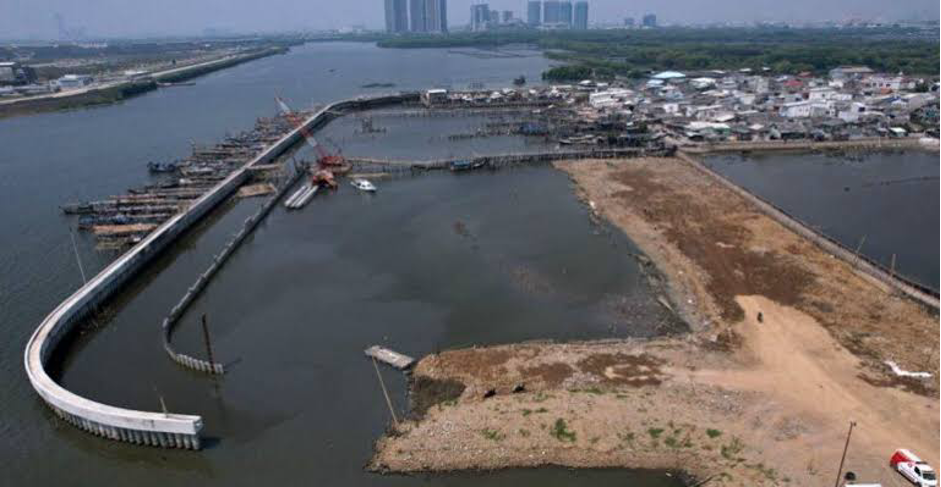
Coastal seawall development near an Indonesian Village (Photo Credit : IPB University News/Antara)
Physical infrastructure in remote coastal areas faces unique challenges. Harsh marine conditions, geographic isolation, and limited access to maintenance can make even well-designed facilities difficult to sustain over the long term. When infrastructure breaks down in a remote Indonesian village, repairs often depend on resources and expertise that are not readily available locally.
- Maintenance Challenges: A government-funded ice plant built to preserve a village’s daily catch may become inoperable because of a single damaged component. With supply ships arriving infrequently and specialized technicians often located in provincial centers such as Ambon or Kupang, repairs can take weeks or even months, leaving valuable facilities underutilized.
- Ecological Mismatch: Infrastructure projects designed at a national or regional level do not always account for local coastal dynamics. In some areas, breakwaters constructed to protect harbors can alter natural sediment movement, contributing to erosion or other unintended impacts on nearby shorelines and communities.
- Digital and Power Vulnerabilities: Cellular towers and solar microgrids provide important services for remote communities, but they can be vulnerable to extreme weather. Strong winds, flooding, or saltwater exposure may disrupt communication and electricity systems at times when reliable information and emergency coordination are most needed.
Social Capital as Intangible Infrastructure
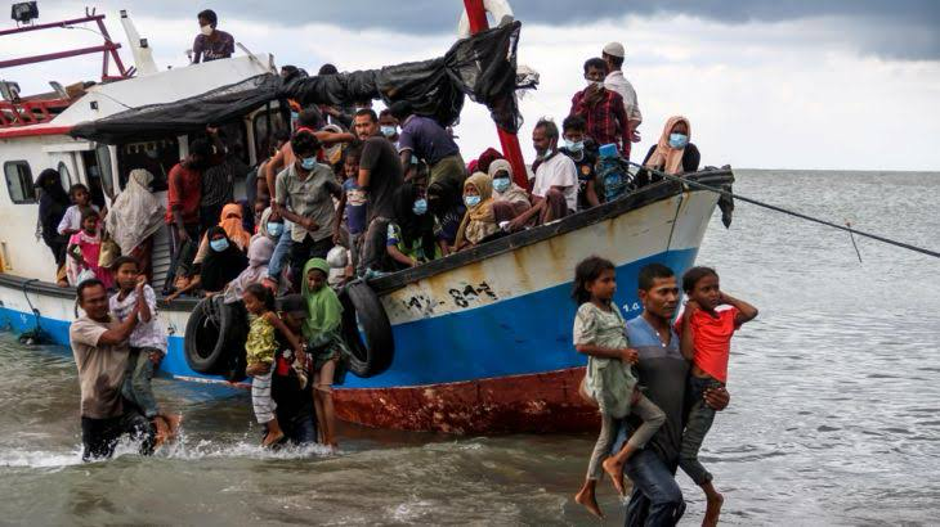
Indonesian fishermen carrying people ashore in Aceh (Photo Credit: Al Jazeera)
Where physical infrastructure faces environmental and logistical constraints, Indonesia’s long-standing tradition of gotong royong (mutual assistance) provides an important source of resilience. In many coastal villages, social capital functions as an intangible form of infrastructure, one that is maintained through trust, cooperation, and shared responsibility rather than physical repairs.
- Customary Marine Governance: Across Indonesia, traditional institutions continue to play an important role in managing coastal resources. In Maluku and Papua, the practice of Sasi, a customary system that temporarily restricts access to certain marine resources, helps support sustainable resource use through social norms and community agreements. Similarly, in Aceh, the Panglima Laot institution has long helped regulate fishing activities, mediate disputes among fishermen, and coordinate responses to emergencies at sea.
- Informal Early Warning and Rescue Systems: Long before official warnings reach some remote communities, local fishing networks often provide the first signs of changing conditions. Fishermen at sea share information about shifting currents, winds, and wave conditions through radio communication and community networks. When a boat experiences engine trouble offshore, assistance frequently comes first from neighboring perahu(wooden boats) mobilized through kinship and community ties.
- Economic Survival During Musim Paceklik: During the monsoon season, when rough seas limit fishing activities for extended periods, many coastal households rely on informal support systems. Small community loans, food sharing, and equipment-sharing arrangements help families cope with temporary income losses until fishing activities can resume.
The Power of Knowledge Networks and Cooperatives
Beyond emergency response, community networks also play a critical role in supporting livelihoods and strengthening local economies.
- Resource Sharing and Collective Action: In many small-scale fishing communities, costly assets such as boat engines, fuel, and fishing gear are often shared through formal or informal cooperative arrangements. By pooling resources and sharing risks, fishermen can better manage the uncertainties associated with fishing-dependent livelihoods.
- Adaptive Market Strategies: Local fish traders, many of whom are women operating through established community networks, help connect fishermen to markets and coordinate distribution. When storms disrupt transportation routes, communities often adapt by processing fish through drying, salting, or smoking (ikan asinand ikan asap), allowing products to be stored longer and reducing economic losses.
Rethinking Development Across the Archipelago
Physical infrastructure undoubtedly plays an important role in improving the quality of life in coastal communities. Reliable jetties, clean water systems, communication networks, and energy facilities can greatly enhance livelihoods and access to services. However, in remote and environmentally dynamic coastal areas, infrastructure alone cannot guarantee resilience.
What enables many coastal communities to adapt and recover is the combination of physical assets and strong social networks. While infrastructure can deteriorate over time and require external support for maintenance, community relationships, local institutions, and shared knowledge often provide the flexibility needed to respond to changing conditions.
For policymakers, development agencies, and coastal planners, this suggests the need for a more balanced approach to development. Investments in infrastructure should be accompanied by efforts to strengthen local fisher organizations, support customary marine governance systems, empower women’s cooperatives, and recognize the value of traditional ecological knowledge. Together, these social assets help communities manage risks, adapt to uncertainty, and sustain their livelihoods.
When the next monsoon arrives, or an unexpected disruption occurs, infrastructure may provide essential support, but it is often the strength of community networks that enables coastal villages to endure and recover.