Mangrove Horseshoe Crab: Living Fossils of Coastal Wetlands
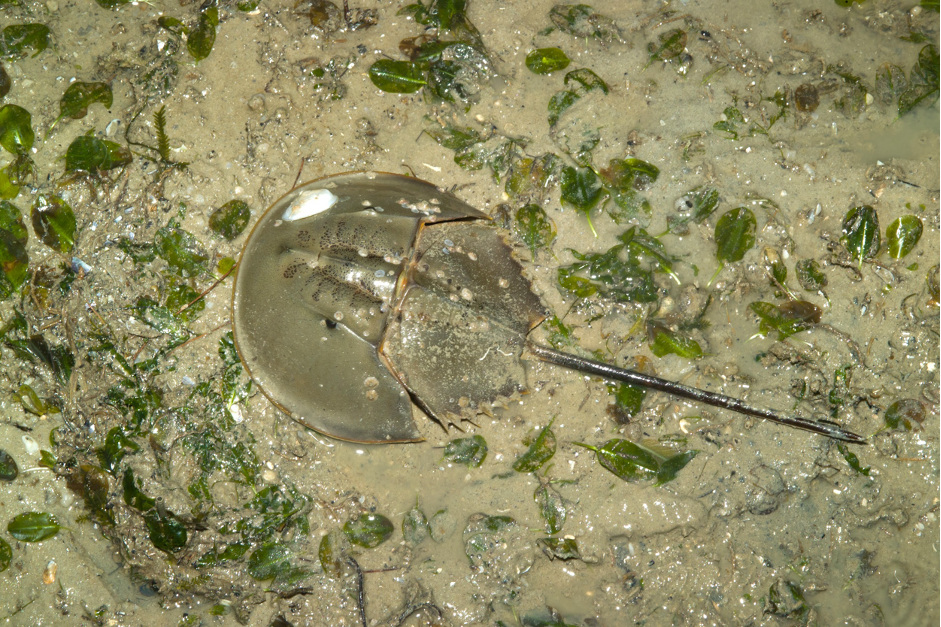
Mangrove horseshoe crab (Photo Credit : Ria Tan)
Hidden among muddy shorelines and mangrove roots lives one of Earth’s oldest surviving animals: the mangrove horseshoe crab. Often called a “living fossil,” this ancient species has existed for hundreds of millions of years—long before dinosaurs walked the planet. Despite surviving dramatic shifts in climate and mass extinctions, the mangrove horseshoe crab now faces one of its greatest challenges yet: the loss of coastal habitat.
Closely connected to mangrove forests, estuaries, and intertidal mudflats, the mangrove horseshoe crab is more than a fascinating relic of the past. It is an important part of coastal ecosystems and a powerful reminder of why mangrove conservation matters.
An Ancient Species Still Living Today
The mangrove horseshoe crab (Carcinoscorpius rotundicauda) is one of four surviving horseshoe crab species in the world and the only one commonly associated with mangrove habitats. Its evolutionary lineage stretches back around 450 million years, making it older than dinosaurs.
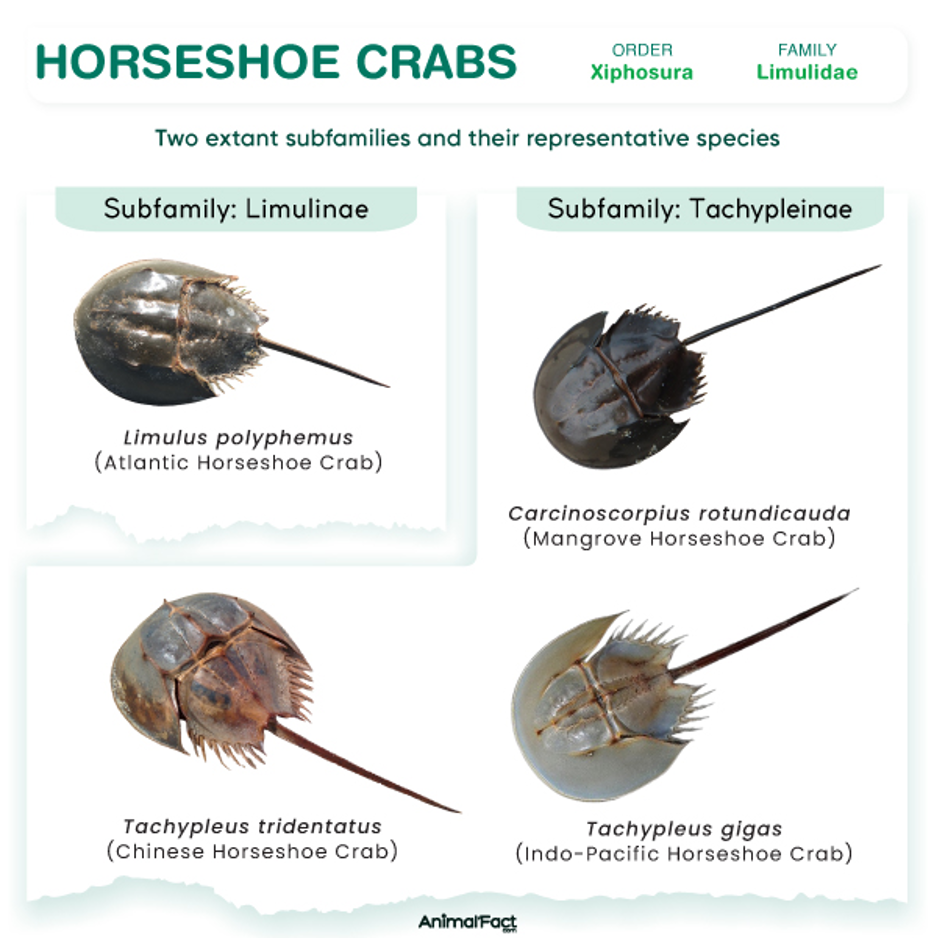
Four extant species of horseshoe crabs (Photo Credit : animalfact)
Although its name includes “crab,” it is not a true crab. Horseshoe crabs are more closely related to spiders and scorpions. Their broad helmet-shaped shell, hard exoskeleton, and long tail spine make them instantly recognizable.
Very little about their body plan has changed over millions of years. Because of this, they are often described as living fossils—animals whose modern form closely resembles their ancient ancestors preserved in the fossil record.
Why Mangroves Matter to Horseshoe Crabs
Mangrove ecosystems are essential to the life cycle of the mangrove horseshoe crab.
These coastal forests provide sheltered, shallow environments with soft muddy sediment where horseshoe crabs can feed, rest, and reproduce. The intertidal mudflats around mangroves are rich in worms, mollusks, and small invertebrates, providing an ideal feeding ground.
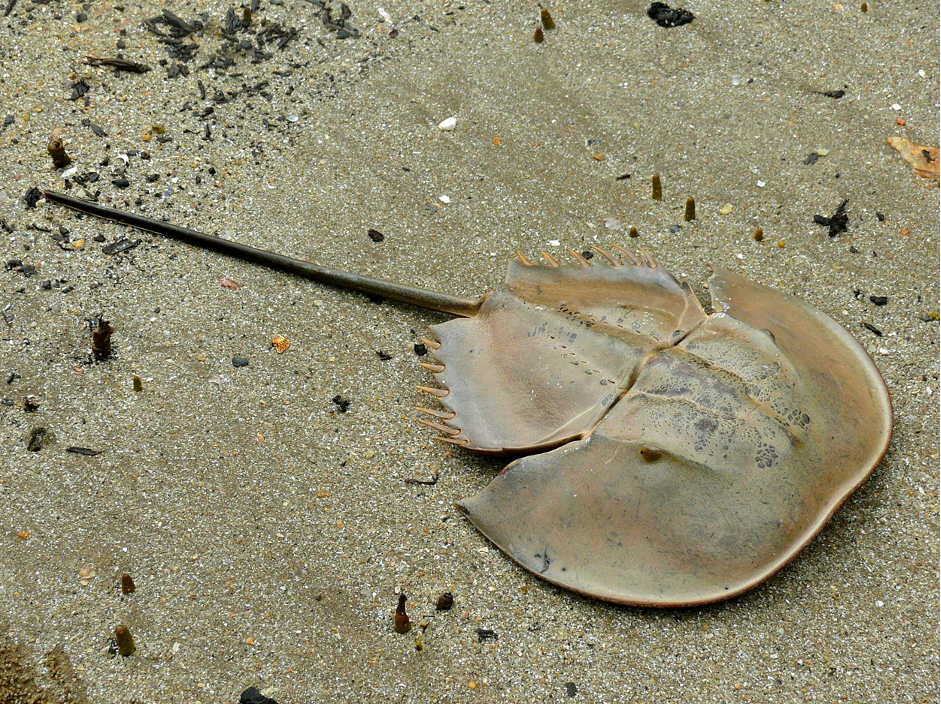
Mangrove horseshoe crab in Bako National Park (Photo Credit : Bernard DUPONT)
Juveniles are especially dependent on these habitats. Young horseshoe crabs spend much of their early life buried in mud or moving through shallow tidal zones protected by mangrove roots.
Mangrove forests also stabilize coastlines, reduce wave energy, trap sediment, and improve water quality—all of which help maintain the habitat horseshoe crabs rely on.
Without healthy mangroves, suitable habitat becomes fragmented or disappears entirely.
A Quiet but Important Ecological Role
Mangrove horseshoe crabs may seem ancient and slow-moving, but they play an active role in coastal ecosystems.
As bottom feeders, they move across mudflats searching for food beneath the sediment. This movement helps aerate the mud and cycle nutrients through the ecosystem.
Their eggs also become food for fish, crabs, and shorebirds, linking marine life with coastal food webs.
Because they are closely tied to healthy intertidal habitat, horseshoe crabs can also act as ecological indicators. Their presence often reflects the health of surrounding mangrove wetlands and estuaries.
Threats in Coastal Habitats
Despite surviving for millions of years, mangrove horseshoe crabs are increasingly vulnerable to human activity.
- Mangrove Loss
One of the biggest threats is the destruction of mangrove forests. Coastal development, aquaculture, land reclamation, ports, and tourism continue to replace natural shorelines in many regions.
As mangroves are cleared, horseshoe crabs lose critical feeding and breeding habitat.
- Pollution
Plastic waste, chemical runoff, sewage discharge, and sediment pollution all affect shallow coastal environments.
Because horseshoe crabs spend much of their lives on or within sediment, they are directly exposed to these pollutants.
- Coastal Modification
Seawalls, dredging, and shoreline engineering can alter tidal flow and sediment composition, making traditional spawning and nursery areas unsuitable.
- Climate Change
Rising sea levels, stronger storms, and shifting coastal conditions threaten mangrove ecosystems globally. As coastlines change, the habitats horseshoe crabs depend on may shrink or shift faster than they can adapt.
Why Conservation Matters
Protecting mangrove horseshoe crabs means protecting mangrove ecosystems as a whole.
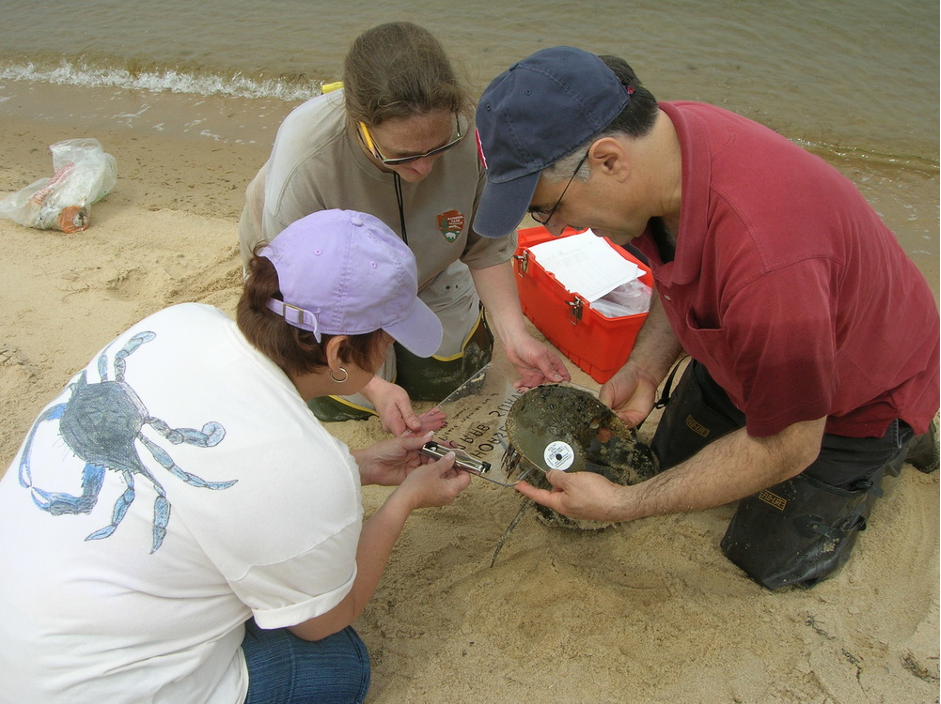
Fieldwork for horseshoe crab conservation (Photo Credit : NPS Photo)
Healthy mangroves provide benefits far beyond wildlife habitat. They store carbon, reduce coastal erosion, improve fisheries, and buffer communities against storms and flooding.
By conserving mangrove forests, we also conserve countless species that depend on them—including fish, crustaceans, migratory birds, and ancient species like the horseshoe crab.
Conservation efforts can include:
- protecting remaining mangrove forests from development
- restoring degraded mangrove coastlines
- improving coastal water quality
- monitoring horseshoe crab populations
- supporting research on breeding and habitat use
- raising public awareness about coastal biodiversity
A Living Connection Between Past and Future
The mangrove horseshoe crab is a rare connection between Earth’s ancient past and our coastal future.
Its continued survival depends not only on its remarkable resilience, but on the health of the ecosystems around it. Mangrove forests have protected shorelines and supported biodiversity for centuries. In return, they deserve protection too.
Seeing a horseshoe crab moving through a mangrove mudflat is a reminder that these habitats hold stories millions of years old—stories still unfolding today.
By protecting mangroves, we protect more than trees and mudflats. We protect biodiversity, coastal resilience, and one of the oldest surviving species on the planet.